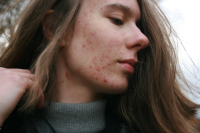
Strong cleansers, frequent exfoliation, drying treatments and constant washing can make the skin feel cleaner, but they can also leave it irritated, tight and uncomfortable. Effective acne care is usually less about removing every trace of oil and more about controlling breakouts while keeping the skin barrier healthy.
The first step is gentle cleansing. Washing the face helps remove excess oil, sunscreen, makeup and other impurities, but more washing is not necessarily better. For most people, cleansing in the morning and evening is sufficient. Choose a mild cleanser and use lukewarm rather than very hot water. Scrubbing with brushes, rough cloths or abrasive products can increase irritation without solving the underlying causes of acne.
After cleansing, acne treatments can be introduced according to the type and severity of the breakouts. Ingredients such as salicylic acid can help keep pores clear, while benzoyl peroxide is commonly used to reduce acne-causing bacteria and inflammatory lesions. Retinoids can also play an important role by helping prevent clogged pores and supporting more normal skin-cell turnover.
The mistake is often using too much, too soon.
Applying several strong active ingredients simultaneously can cause dryness, peeling, burning and redness. When the skin becomes irritated, people sometimes respond by adding even more products, creating a cycle of treatment and damage. Introducing one active ingredient gradually makes it easier to understand how your skin responds.
Moisturizer is particularly important during acne treatment. Oily and acne-prone skin can still become dehydrated or develop a weakened barrier. A lightweight, non-comedogenic moisturizer can help reduce dryness caused by active ingredients without necessarily making the skin excessively greasy. Moisturizing may also make it easier to continue an effective treatment consistently.
Sun protection should also be part of the routine. Some acne treatments can leave skin more sensitive or irritated, while sunlight can make post-acne marks more noticeable. A suitable broad-spectrum sunscreen helps protect the skin while it recovers.
Another common mistake is squeezing spots. It can be difficult to resist, especially when a blemish is highly visible, but squeezing increases inflammation and may push material deeper into surrounding tissue. It can also increase the likelihood of prolonged discoloration and scarring.
It is useful to consider what comes into contact with your face beyond traditional skincare. Makeup, hair products and other cosmetics may occasionally contribute to irritation or clogged pores. Fragrance is another consideration for particularly reactive skin. You may enjoy wearing a Fragrance World perfume, for example, while still keeping strongly fragranced products away from facial areas that are already inflamed or sensitive.
Patience is one of the most underestimated parts of acne treatment. Changing products every few days makes it difficult to determine whether anything is actually helping. Many acne treatments require consistent use over a period of time before meaningful improvement becomes apparent.
At the same time, persistence should not mean tolerating severe irritation. Mild dryness can occur when introducing certain active ingredients, but significant burning, swelling, intense redness or persistent peeling is a reason to stop and reconsider the routine.
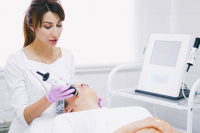
Acne severity also matters. Occasional mild breakouts can often be managed with a straightforward skincare routine, but painful cysts, widespread inflammatory acne, persistent breakouts or developing scars deserve professional attention. A dermatologist can determine whether prescription treatment or another approach is appropriate.
Ultimately, treating acne successfully does not require punishing the skin. A simple routine built around gentle cleansing, an appropriate acne treatment, moisturizer and sunscreen is often a better starting point than a bathroom full of aggressive products.
The goal is not to make your skin feel completely oil-free or intensely scrubbed. It is to reduce breakouts while maintaining a healthy skin barrier. When acne treatment and skin protection work together, the routine is usually easier to tolerate, easier to maintain and more likely to deliver sustainable results.